Что такое Летучие органические соединения?
Вы когда-нибудь заходили в дом во время праздников и чувствовали запах сосны? Этот запах исходит от встречающихся в природе ЛОС (летучих органических соединений). На самом деле «Дымчатые» горы, известные своим знаменитым голубым дымом, представляют собой сочетание водяного тумана и летучих органических соединений!
Хотя большинство ЛОС образуется естественным путем, вредные ЛОС все чаще и чаще образуются не в природе. Так где же находятся опасные ЛОС, которые производим мы, люди?
Источники ЛОС, отличные от природных
ЛОС чаще всего являются побочным продуктом многих процессов производства, сушки, очистки и нанесения покрытий. При печати, переработке (например, бумаги и других материалов), покраске и многих процессах очистки выделяются летучие органические соединения. Эти летучие вещества необходимо контролировать, поскольку известно, что они создают опасность для здоровья человека в закрытых помещениях.
ЛОС Встречаются в предметах домашнего обихода
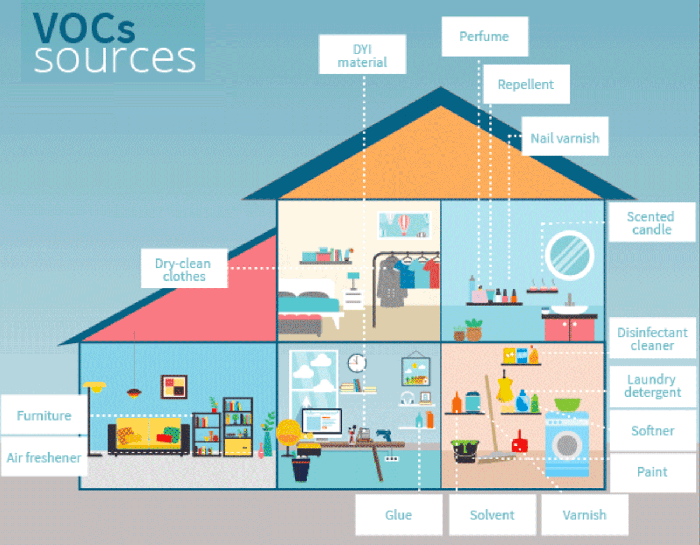
Предпринимаются усилия по снижению объема органических соединений, испаряющихся (выделяющихся) из строительных материалов и мебели, используемых при строительстве и обустройстве наших домов и офисов. Кроме того, органические химические вещества и соединения содержатся в бытовых чистящих средствах, духах, косметике, жидкости для химчистки, красках, лаках, хобби, клеях для склеивания фанеры и других распространенных строительных материалов.
Органические соединения называются «летучими» органическими химическими веществами, если они имеют высокое давление паров при обычной комнатной температуре.
Атмосферные испарения и летучие органические соединения
В нашем мире ЛОС оказывают негативное влияние на атмосферу и наше здоровье. ЛОС образуются из сырой нефти, которая превращается в более легкие органические продукты, становящиеся парами при атмосферных условиях. Список распространенных углеводородных соединений (органических химических соединений, состоящих только из углерода (C) и водорода (H)) включает:
Примеры типичных углеводородных соединений
Химическое название/формула
- Ацеталь / С6H14О2
- Ацетон / С3H6О
- Бензол / С6H6
- Бутанол / С4H10О
- Циклогексанол / С6H12О
- Формальдегид / CH2О
- Гептан / С7H16
- Изопентан / С5H12
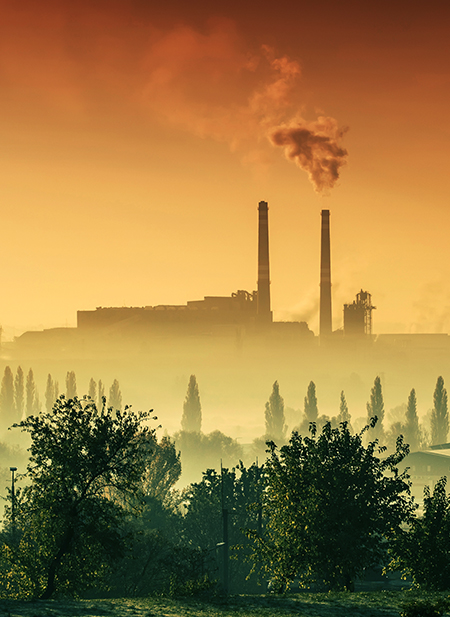
Парниковые газы и разрушение озонового слоя являются результатом воздействия антропогенных ЛОС. Метан, наиболее распространенный топливный газ, который в больших количествах выбрасывается из угольных шахт и сохраняется в атмосфере гораздо дольше, чем большинство парниковых газов. В то же время, особенно в летние месяцы, ЛОС под воздействием солнечного света вступают в реакцию с NOx (оксидами азота), образуя приземный озон, который является одним из основных факторов, вызывающих смог и респираторный стресс.

Чистый воздух от VOC Control
Некоторые заболевания, такие как поражение печени, анемия, лейкемия и поражение центральной нервной системы, увеличиваются при воздействии летучих органических соединений. Транспорт и промышленность являются основными источниками антропогенных ЛОС в нашей атмосфере. Именно по этой причине наши инженеры продолжают совершенствовать экономически эффективные системы преобразования летучих органических соединений в безвредные или рекуперировать их для повторного использования, а не для того, чтобы они попадали в атмосферу.
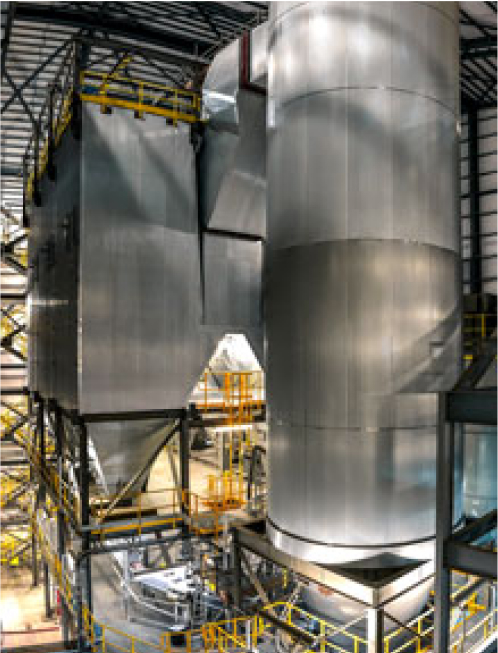
Пусть решения LDX станут вашими VOC - Промышленное решение
Сделаем мир чище!
Наше непревзойденное обслуживание и поддержка на протяжении всего "жизненного цикла" оборудования, делают нас лучшим решением для ваших потребностей в области контроля летучих органических соединений. Узнайте, как наши Команда послепродажного обслуживания может обеспечить поддержку и повысить рентабельность вашего бизнеса, независимо от того, какое оборудование вы используете.